 14 min read
 Updated
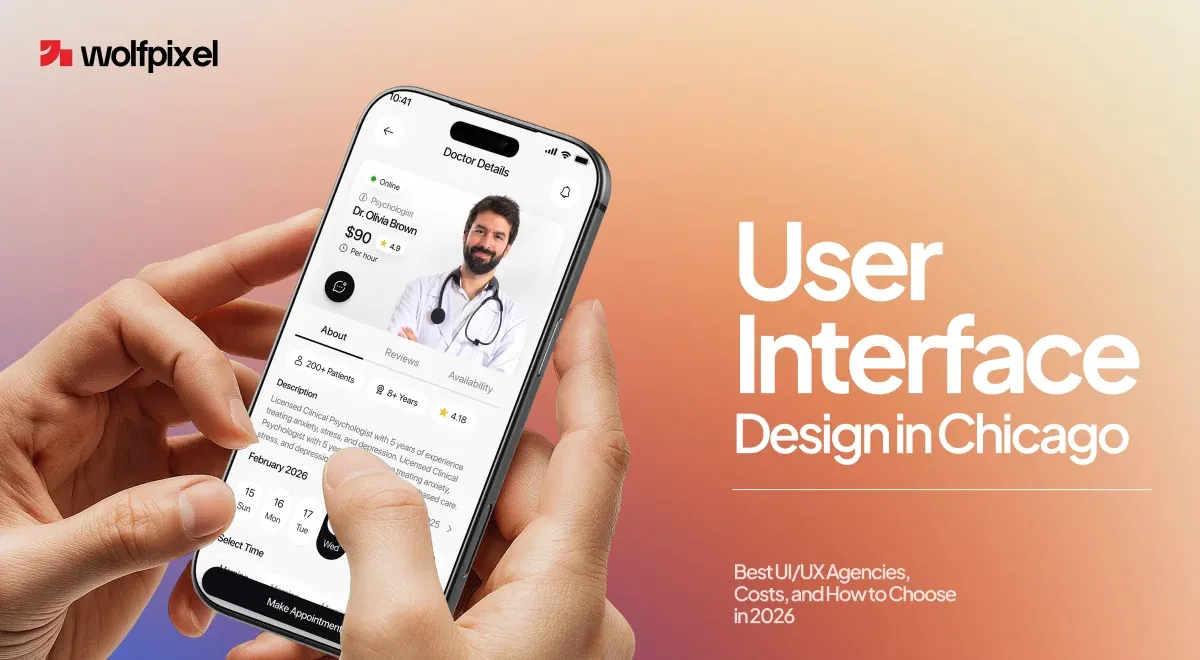
Looking for user interface design in Chicago? Start with the kind of product you need to improve, then compare agencies on relevant work, research, delivery scope and collaboration. A Chicago office can help with in-person workshops; a remote studio can also be a practical choice when its experience and working arrangements fit your team.
This guide compares seven agencies, explains how to evaluate a UI design quote and shows the interface details worth inspecting before you hire. It is written for founders, business owners and product teams choosing a design partner, rather than designers looking for a course or a job.
By Maniruzzaman Jubayer, Wolfpixel’s Co-founder & COO and product design specialist. His professional profile documents work across SaaS, fintech and AI; his co-founder role is listed on our team page. Disclosure: Wolfpixel publishes this guide and offers UI/UX services. Our own inclusion is not an independent award or a claim that one agency is best for every buyer.
Quick recommendation: shortlist partners with experience in your actual task—a CRM workflow, an appointment journey or a complex business dashboard. Ask each to explain one comparable project, name the people doing the work and quote against the same brief. Compare what you receive before comparing the price.
Chicago UI Design Agencies: Compare Seven Options
These are options to evaluate, not a numerical ranking. The shortlist considers publicly described services, portfolio relevance and Chicago presence or remote availability. Agency services and location details were reviewed on October 27, 2026 using the official sources linked below. Availability, project minimums and pricing must be confirmed with each team; this guide does not claim that every review or client outcome has been independently audited.
UI/UX agencies serving Chicago: a practical shortlist
| Agency | Chicago connection | Relevant focus | Check before hiring |
|---|---|---|---|
| Wolfpixel | Remote option for Chicago teams | SaaS, dashboards and product interfaces | Ask for a comparable workflow and a scoped proposal. |
| ArtVersion | Chicago presence | Brand, web and interface design | Discuss the balance of brand expression and task usability. |
| Highland | Chicago-based | Research, product concepts and UI/UX | Ask how research informs prototype and product decisions. |
| Fuzzy Math | Chicago presence | B2B and enterprise UX | Review a case involving similarly complex roles and data. |
| Grand Studio | Chicago-founded consultancy | Strategy, research and digital products | Clarify discovery, delivery and implementation responsibilities. |
| Codal | Chicago office | Product design, engineering and commerce | Confirm what design and engineering the engagement includes. |
| Intechnic | Chicago office | Healthcare and pharma digital experiences | Check current sector fit, research needs and delivery scope. |
Wolfpixel: a remote option for product and SaaS teams
Wolfpixel offers UI/UX design for product interfaces, websites and dashboards. Our published work includes CRM, outreach and real-estate management interfaces. Those projects let you assess navigation, information hierarchy and interface craft before discussing an engagement.
We are not presenting Wolfpixel as a downtown Chicago office. If you need on-site workshops, confirm travel and attendance separately. If you need a remote team, agree on Central Time overlap, reviewers, communication and developer support in the proposal.
ArtVersion: brand and interface design together
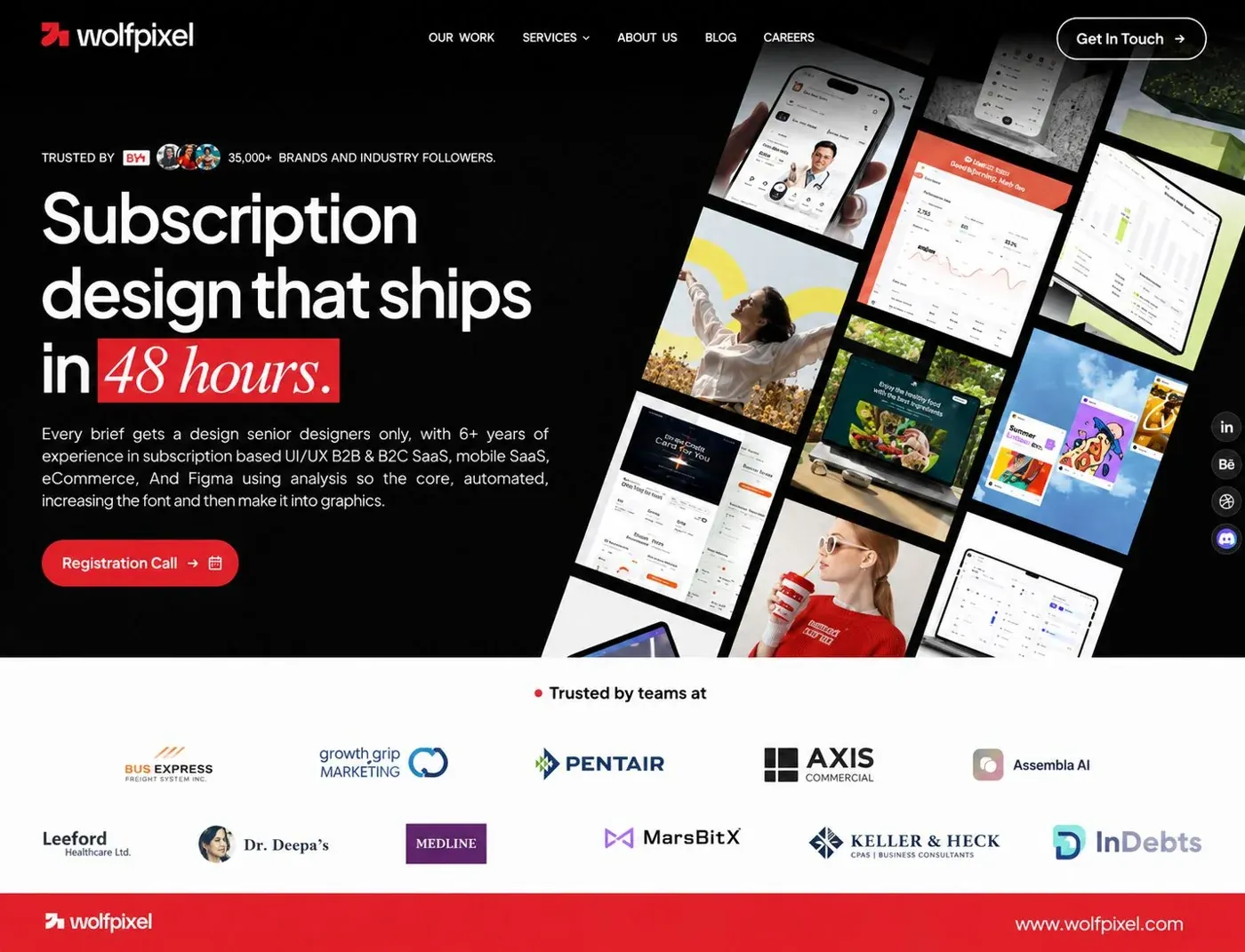
ArtVersion describes services spanning UI/UX, web, branding and graphic design. It is worth considering when brand expression and digital experience need to be developed together. Ask to review a complete task flow as well as the visual presentation, particularly if your project is a working application rather than a marketing website.
Highland: research-led product development
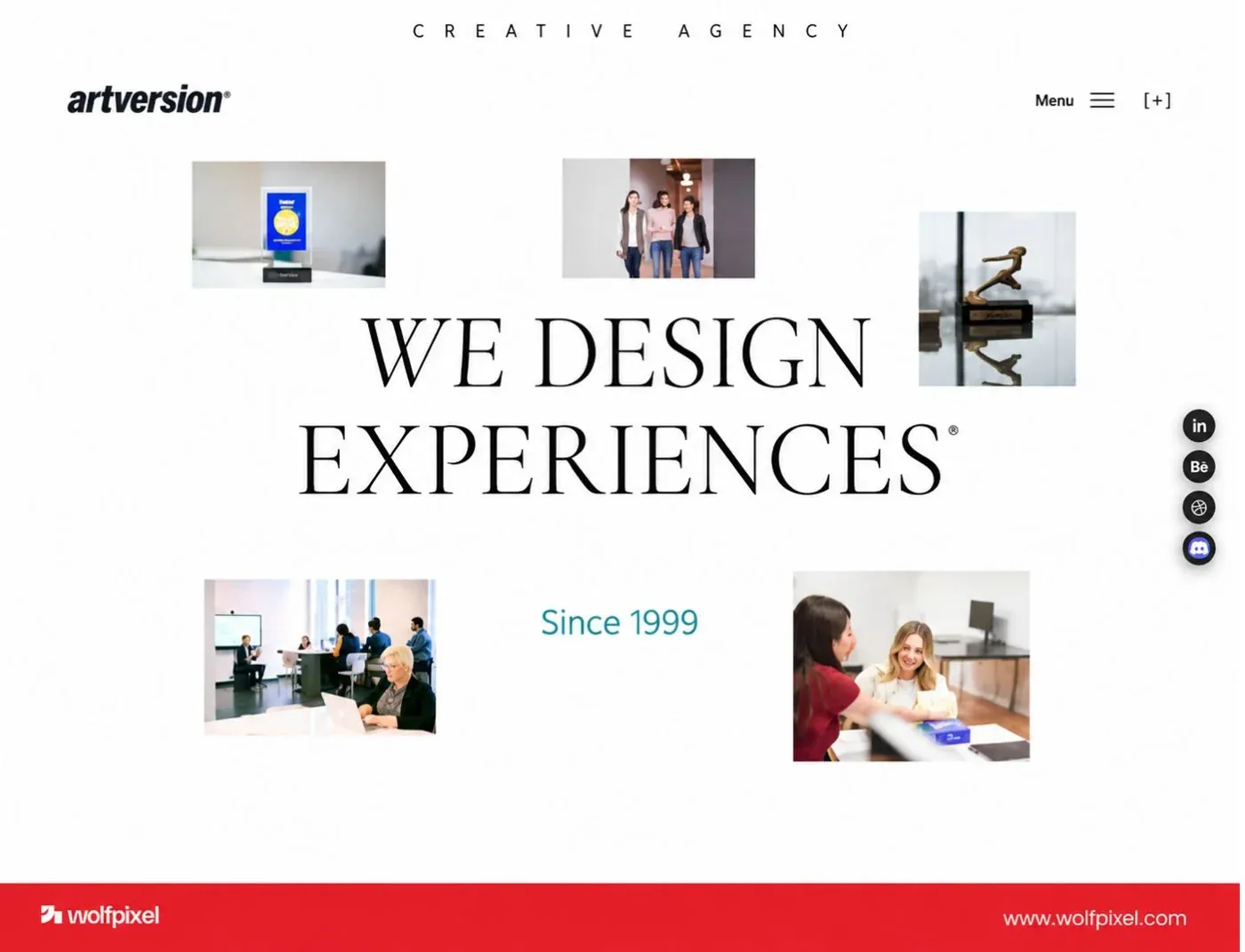
Highland’s official UI/UX page identifies a Chicago agency working on user-centered design, rapid prototyping and digital product interfaces. Its broader offering connects research, product design and development. Discuss how discovery changes the proposed scope and who will translate validated concepts into a buildable product.
For a product that is still being defined, ask for the decisions and evidence a discovery phase will deliver—not just a list of workshops.
Fuzzy Math: B2B and enterprise UX
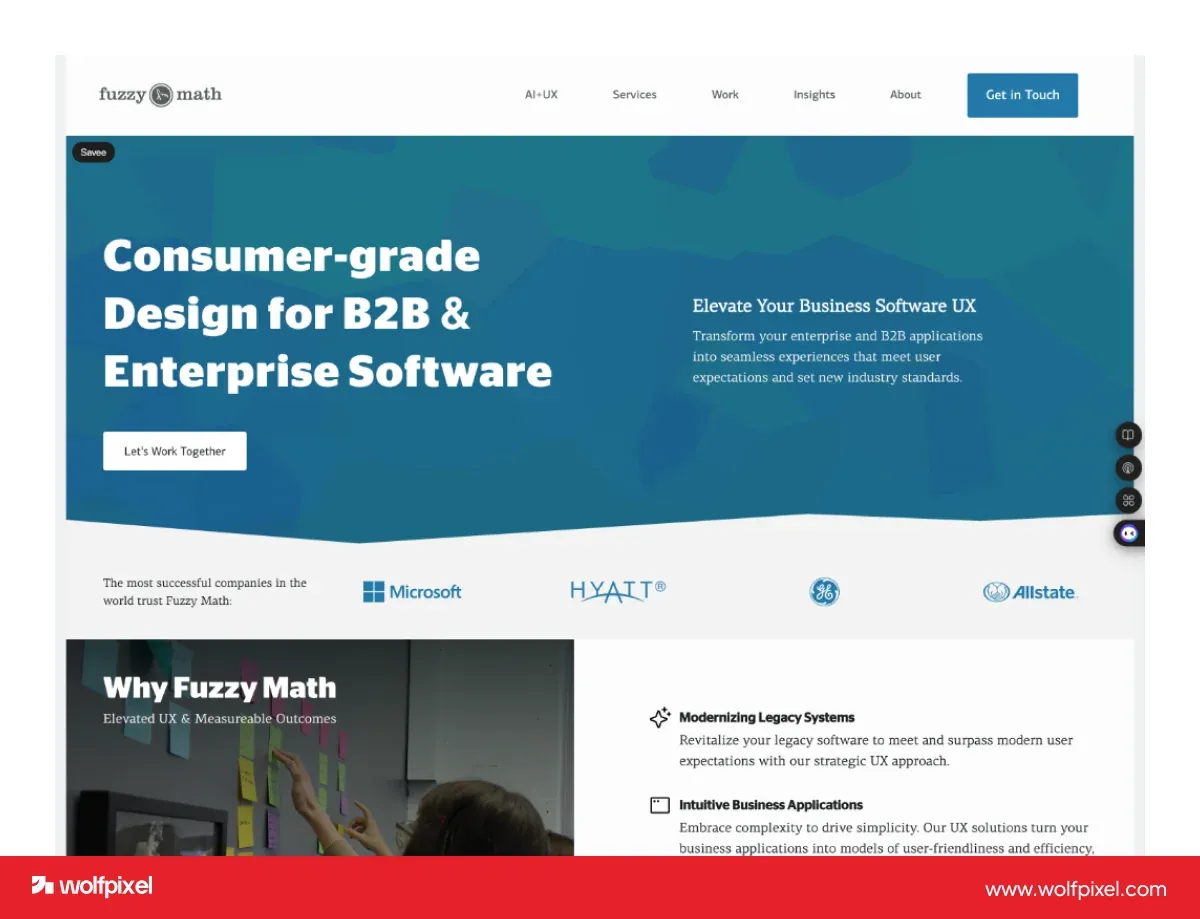
Fuzzy Math presents work around business applications, enterprise software, research and UX capability. It is a relevant option to investigate for products with complicated workflows or several user roles. Ask how the team studies real work, tests a proposed flow and transfers the learning to your internal team.
Its contact page lists Chicago. Confirm the format and location of any workshops when scoping an engagement.
Grand Studio: strategy through product experience
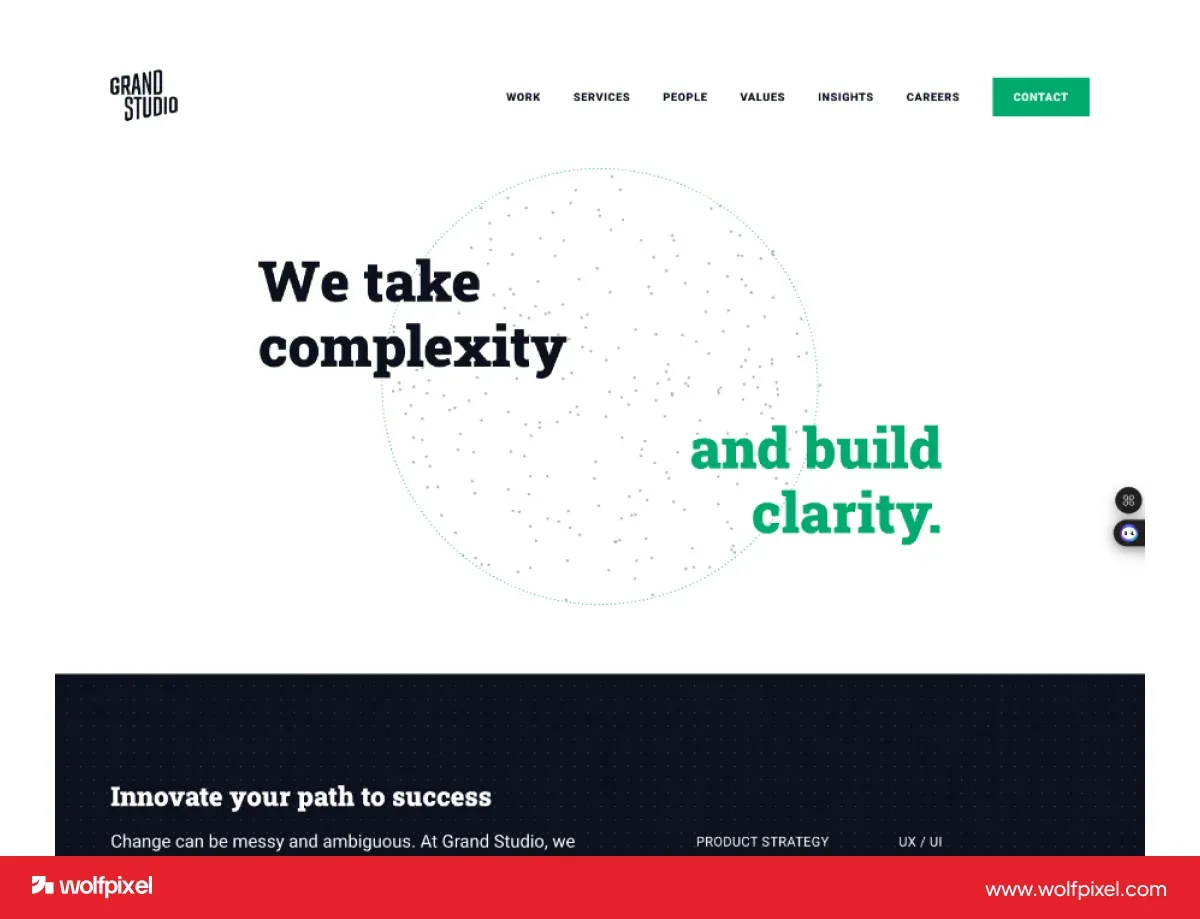
Grand Studio describes a Chicago-founded digital strategy and experience consultancy, with research, product and build capabilities. Consider it when the challenge includes deciding what to make or how a service should work, alongside interface design. Ask which specialists will join the project and how their work connects to an implementation plan.
Codal: design with engineering and commerce capabilities
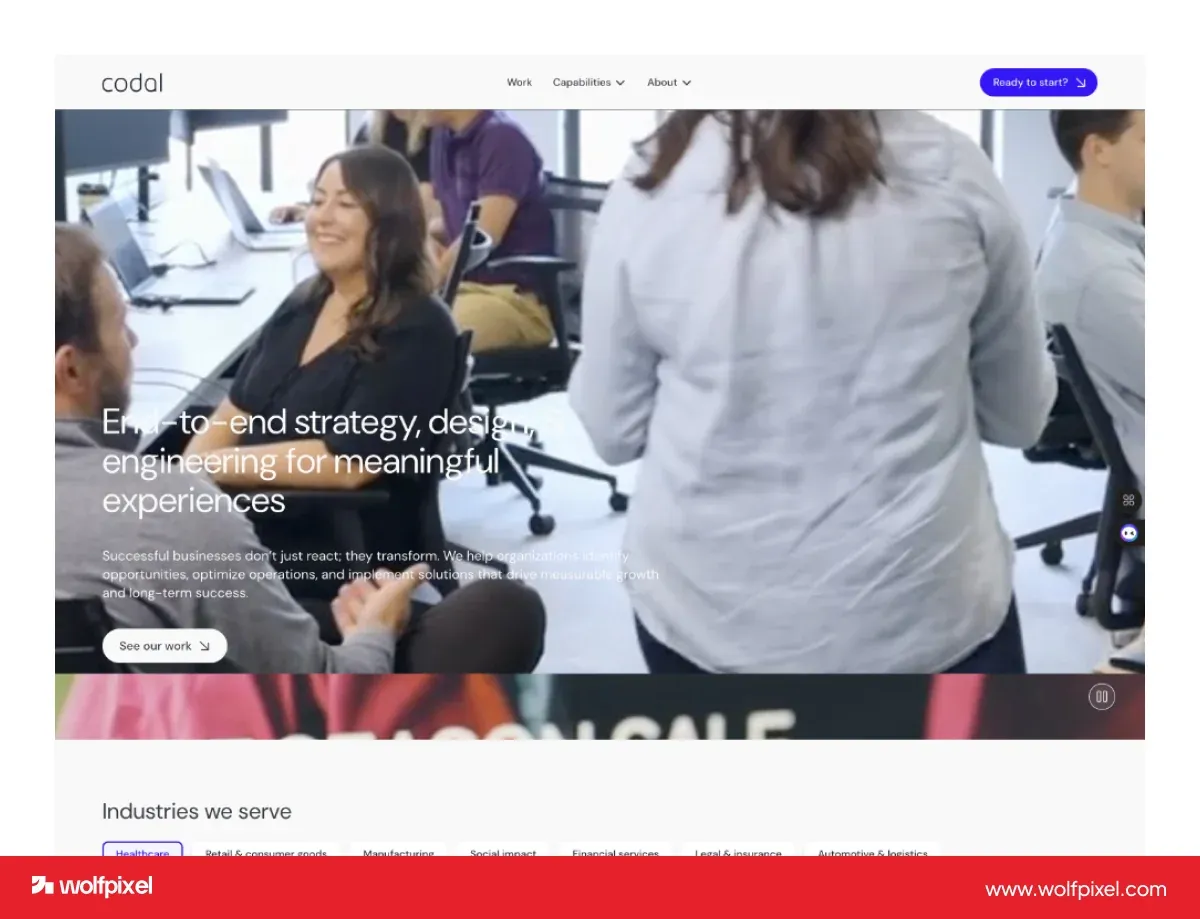
Codal lists experience design, product strategy, engineering and commerce services. Its official contact page lists a Chicago office. This combination can be relevant when your project needs both interface work and implementation, but check exactly which disciplines, integrations and post-launch responsibilities are included.
Intechnic: healthcare and pharma experience work
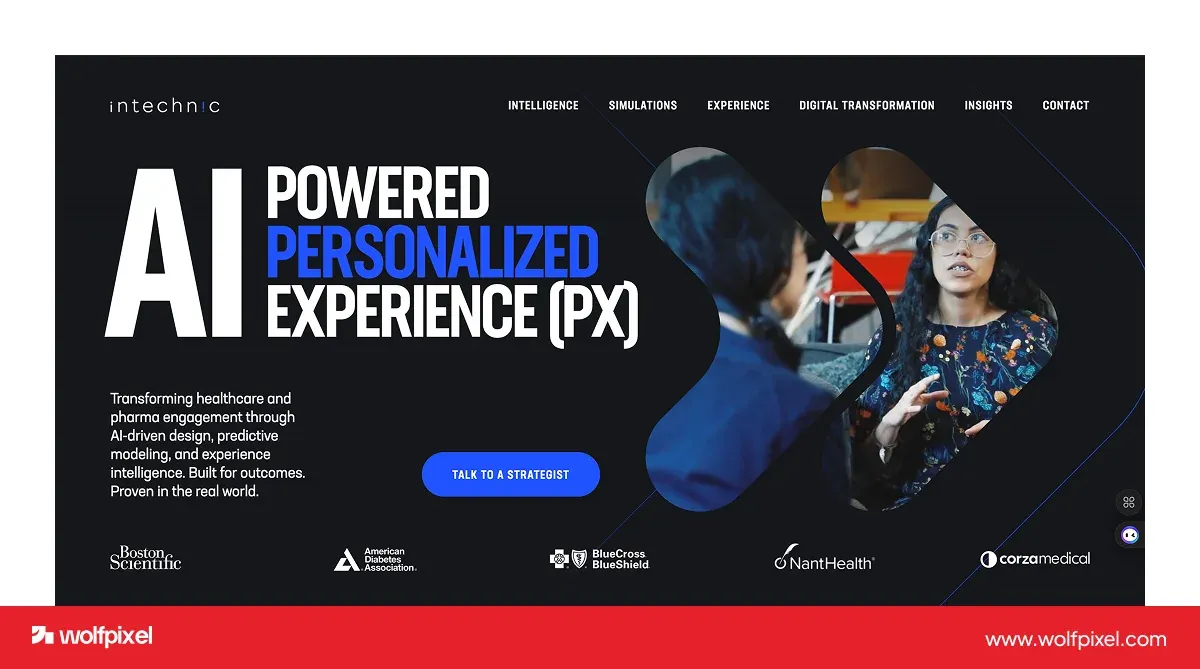
Intechnic’s current website emphasizes healthcare and pharma experiences, AI and experience intelligence. Its contact page lists a Chicago office. That sector focus is more useful for selection than a generic “enterprise agency” label. Ask for a relevant engagement and discuss research, accessibility, sensitive content and implementation requirements directly.
What Does User Interface Design in Chicago Cost?
There is no single verified market price for user interface design in Chicago. A visual refresh, a tested onboarding flow and a multi-role application are different purchases. Public hourly rates can help you investigate an agency, but they do not reveal how many hours your project needs or what its quote excludes.
Use this planning formula: estimated design effort × the agreed rate + separately priced research, implementation and other agreed costs. The examples below use an assumed $100 USD hourly rate to demonstrate the calculation. They are illustrative estimates—not Chicago market averages, Wolfpixel prices or agency quotes. Actual effort and rates can be higher or lower.
Illustrative design budgets: replace these assumptions with a scoped quote
| Example scope | Assumed effort | Calculation | What needs checking |
|---|---|---|---|
| One defined flow or small UI refresh | 40–80 hours | $4,000–$8,000 at the assumed $100/hour | Existing research and components; limited states and revisions. |
| A focused product area with prototype and testing | 120–240 hours | $12,000–$24,000 at the assumed $100/hour | Participant recruitment, responsive layouts and handoff boundaries. |
| A broader product redesign | 300–600 hours | $30,000–$60,000 at the assumed $100/hour | Role complexity, design system work and engineering support. |
The effort bands are planning assumptions too. A single screen may require permissions, loading, empty, error and success states. Count those states and the complete journeys before requesting a fixed price. A lower hourly rate does not automatically produce a lower total cost.
Ask each agency to separate discovery, interface design, research recruitment, participant incentives, design-system work, development, software costs and post-launch support. State whether tax and travel are included. For a broader breakdown, use our UI/UX design cost guide, then compare written proposals for the same scope.
How to Choose a UI Design Firm in Chicago
Choose a UI design firm in Chicago by the work it can explain, not only by the images it can display. Take the same short brief to each candidate so that a cheaper proposal is not simply a smaller or less tested project.
Questions that make agency proposals easier to compare
| Ask the agency | Evidence to request | A useful warning sign |
|---|---|---|
| Have you handled a comparable workflow? | A walkthrough of users, constraints, design decisions and the final flow. | Only attractive screens, without an explanation of the task. |
| Who will work on this? | Named roles, availability, reviewer and escalation contact. | The pitch team is clear but the delivery team is not. |
| How will you validate the design? | A research or testing plan appropriate to the uncertainty. | A promise of conversion gains before understanding the product. |
| What exactly will we receive? | Screens, states, components, prototype, documentation and handoff scope. | A fixed price without clear inclusions or change control. |
| How will we collaborate? | Central Time overlap, feedback deadlines and meeting format. | An address or timezone offered as a substitute for a working plan. |
Separate published evidence from sales claims. Read recent independent reviews in context, ask whether you can speak to a relevant past client and request clarification when a claimed result has no baseline or measurement period. An award can indicate recognition; it does not demonstrate that a team understands your particular users.
If you are still deciding what kind of partner to hire, our design agency vs freelancer comparison covers the differences in scope ownership and coordination. Keep this Chicago shortlist for evaluating specific providers once that decision is clear.
What Should a UI/UX Design Engagement Include?
User interface design shapes the controls, content hierarchy and feedback people use to complete a task. UX work examines the wider journey: what users need, how information is organized and whether the proposed flow solves the right problem. You may need both, but a proposal should distinguish their responsibilities.
Define the deliverables before the screen count
- Task and flow: the user, starting point, desired action and success condition.
- Structure: navigation, wireframes and content hierarchy where they are needed.
- Interface: high-fidelity layouts, components and realistic content.
- Behavior: validation, errors, loading, empty states, permissions and recovery.
- Validation: an agreed way to test the important assumptions.
- Handoff: editable source files, assets, responsive rules, component documentation and developer questions.
For example, “design a booking screen” leaves unanswered questions about time zones, availability changes, failed submissions and confirmation. A useful brief names the booking journey and those conditions. If you need the underlying concepts, our guide to UI/UX design for businesses explains them in more detail.
Accessibility belongs in the brief too. Ask how the team will consider keyboard interaction, focus order, labels, contrast and error recovery, and who will test the implementation. The W3C guidance on form labels gives one concrete example of the connection between an interface decision and implementation.
The UI/UX Design Process: Checkpoints Before You Commit
A process is useful when it reduces uncertainty and produces decisions your team can act on. The sequence can change with the project, but these checkpoints help you judge whether the proposed work is substantive.
- Understand the task. Review the audience, business goal, existing product, constraints and available evidence. Agree on what is known and what still needs investigation.
- Map the flow. Identify steps, content, roles and edge cases before investing in polished screens.
- Prototype the important decisions. Use enough detail to test behavior and comprehension, rather than making every screen equally polished.
- Test and revise. Choose appropriate participants and tasks; document observations, limitations and the changes they support.
- Build and verify. Supply design files and interaction rules, answer engineering questions and compare the implementation with the agreed behavior.
Ask who owns participant recruitment, feedback consolidation and acceptance at each stage. A project can stall because decisions are unavailable even when the design team has capacity. Timeline estimates should name dependencies and review windows rather than promise a universal number of weeks.
Our step-by-step UI/UX design process explains the stages. When an existing journey is failing but the reason is unclear, a focused UX audit may be a more useful first scope than a complete visual redesign.
Relevant UI Design Work: Three Wolfpixel Project Examples
Relevant work makes a design conversation more concrete. The following are published Wolfpixel portfolio projects. They are examples of interface work, not claims of Chicago-based clients or measured conversion improvements. Use them to inspect how a team approaches real product complexity.
Crimino: CRM information hierarchy
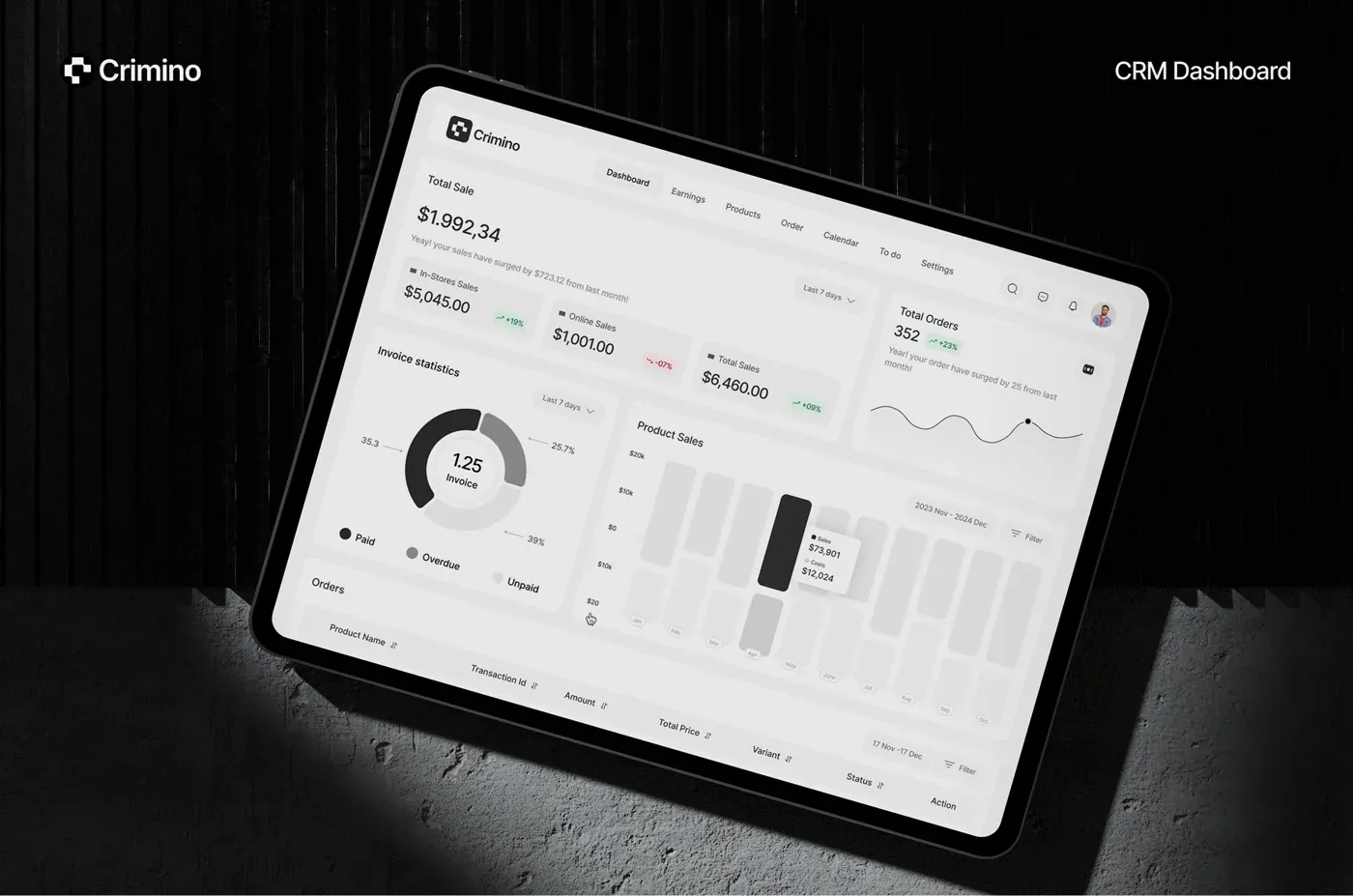
The Crimino CRM dashboard case study brings sales, customer information and invoice-related analytics into a product interface. In the displayed screen, a navigation rail separates product areas while summary cards and charts group the information a user may need to inspect.
What to evaluate: can a salesperson distinguish the relevant summary from the detailed records, understand the time period and move to the next task? Ask a design partner to show the associated flow and non-ideal states, rather than treating the overview screenshot as a complete usability test.
ZapMail: connected campaign workflows
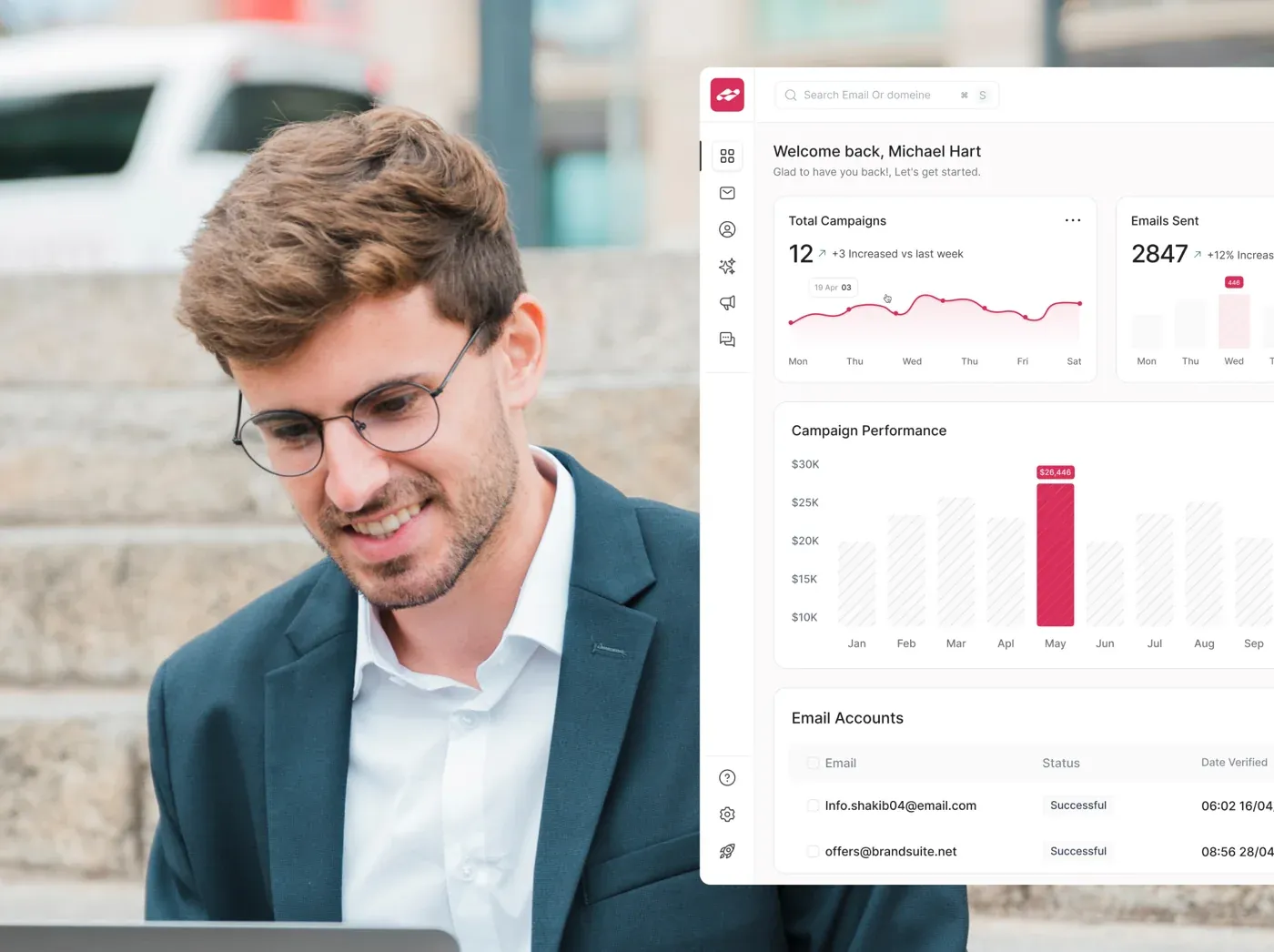
The ZapMail outreach-platform case study covers campaign creation, inbox management and performance information. That makes it a relevant reference for a SaaS team whose users must manage several connected activities rather than browse a single information page.
What to evaluate: ask how users move from setting up an account to reviewing a campaign, and how the interface makes status and errors understandable. Campaign metrics displayed in a mockup are interface content, not proof of the design’s impact.
Landify: complex operational data
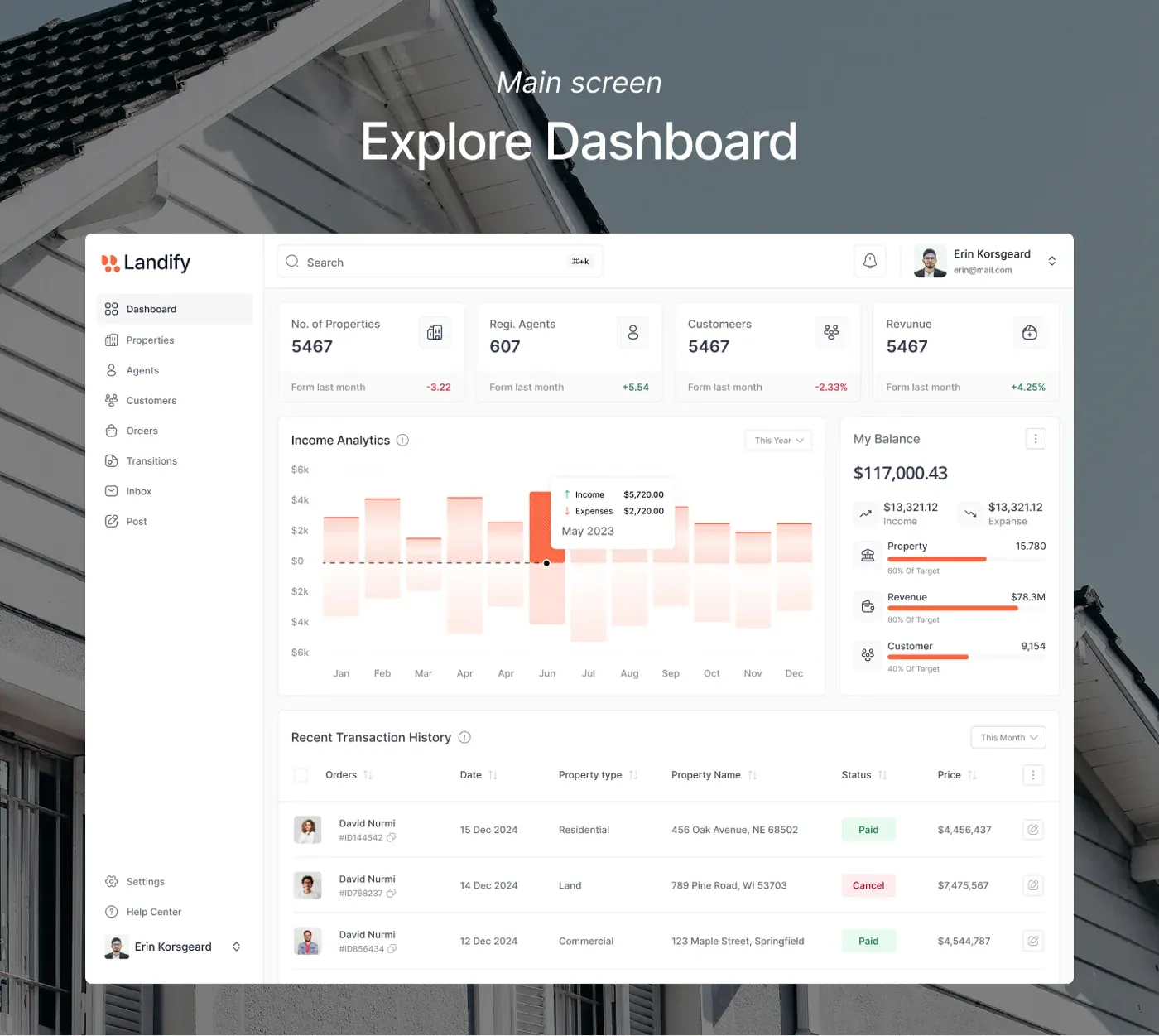
The Landify real-estate management case study connects property, agent, customer and transaction tools. It is useful when comparing partners for a product with several data types and operational roles. Look at the navigation, table organization and relationship between summary metrics and the records underneath them.
What to evaluate: ask how the proposed system handles permissions, filters, mobile use and incomplete data. Those questions reveal more than whether the dashboard feels modern.
Local Chicago Agency or Remote Design Studio?
Choose the working arrangement your project needs. A local agency can be valuable when stakeholders need frequent in-person research or workshops. A remote team can be practical when decisions, product access and feedback can be handled online. Neither arrangement guarantees better design or a lower price.
For Chicago-based collaboration
Confirm whether the people delivering the work are available locally, where workshops happen and whether travel is included. An agency’s Chicago address does not establish that every specialist will attend in person.
For a remote UI design partner
Put agreed Chicago/Central Time overlap in writing, accounting for daylight-saving changes. Name a decision-maker on each side, set review deadlines and decide where decisions, design files and questions will live. For sensitive workflows, agree on data access and use appropriate test data before sharing production information.
If the product is B2B software, require a relevant role-and-permission example in the discussion. Our B2B SaaS UX guide explains why an administrator’s needs can differ from those of the everyday user. A visually similar dashboard is not automatically evidence of experience with those responsibilities.
Prepare a Brief for Your UI Design Partner
A useful first conversation begins with one difficult task and a clear account of what you know. You do not need a finished specification to approach an agency, but you should be able to explain the problem you want it to help investigate.
- Product and audience: who uses it, which roles matter and where the task happens.
- Current problem: support questions, observed friction or analytics you can legitimately share.
- Scope: the journey or product area to investigate, plus known constraints.
- Working setup: your engineering team, decision-maker and Central Time availability.
- Purchase conditions: a planning budget, required milestones and what is negotiable.
For Wolfpixel, start by sharing the journey, your available evidence and the implementation team. We can discuss whether a focused review, a flow redesign or broader UI/UX design support fits the problem. A visual review can identify potential usability issues; establishing exactly where users abandon a product requires appropriate analytics or observed research.
Discuss your product and request a scoped design proposal. Ask us the same questions you would ask any agency in this guide: who will work on it, what evidence we need, what you will receive and how you will judge the result.
User Interface Design Chicago: Frequently Asked Questions
How do I choose a user interface design agency in Chicago?
Compare relevant product work, the people delivering it, research and testing, deliverables, communication and the complete project cost. Give shortlisted agencies the same brief and ask them to explain one comparable workflow. Confirm Chicago availability if you need in-person work.
Which UI design agencies should Chicago businesses consider?
Options discussed in this guide include ArtVersion, Highland, Fuzzy Math, Grand Studio, Codal, Intechnic and remote studio Wolfpixel. Their sector focus and delivery scope differ. The list is an editorial shortlist, not an independent ranking or a guarantee that every agency fits your project.
How much does user interface design cost in Chicago?
There is no single price for a Chicago UI design project. Cost depends on the journeys, interface states, research, responsive coverage and implementation support. The budget table in this guide uses an assumed $100 USD hourly rate only to illustrate the calculation; request written quotes for your actual scope.
What is the difference between UI and UX design?
UI design addresses the interface people see and operate: hierarchy, controls, content presentation and feedback. UX design considers the wider task and journey, including research, structure and validation. A project may require both; the proposal should make their deliverables clear.
Do I need an agency based in Chicago?
Not necessarily. Local availability can matter for on-site research and stakeholder workshops. A remote studio may fit when product access, feedback and decisions can be handled online. Confirm Central Time overlap, meeting arrangements, data access and who owns decisions.
Can a UI design firm also build the website or application?
Some agencies offer design and engineering together; others hand designs to your development team. Ask what is included, which platform or technology is supported, who handles integration and testing, and what happens after handoff. A polished prototype is not a working application.
How long does a UI/UX design project take?
Timing depends on scope, available research, participant recruitment, technical constraints and feedback speed. Ask for milestones tied to named deliverables and responsibilities. A contained flow and a multi-role product should not be assigned the same standard schedule.
What should I receive at the end of a UI design project?
Agree on editable design files, the complete set of screens and states, components, responsive rules, a prototype where useful, research findings and developer handoff documentation. Specify usage rights, asset licenses, revision limits and implementation support in the contract.
Can a UX audit tell me exactly where users drop off?
A review can identify potential usability problems. To establish where real users abandon a journey, you need appropriately configured analytics, observed research or other relevant evidence. An interface screenshot alone cannot show an actual abandonment rate.
Choosing a UI design partner for your Chicago team?
Share your product, one difficult user journey and your delivery constraints. Discuss the scope, evidence and implementation support before committing to a redesign.

Was this article helpful?

Written by
Maniruzzaman Jubayer
Co-founder & COO | Product Design Specialist at Wolfpixel
Maniruzzaman Jubayer is Wolfpixel’s Co-founder & COO and a product design specialist. His professional profile documents design leadership and work across SaaS, fintech and AI. This guide combines an editorial review of agency sources with clearly identified Wolfpixel portfolio examples. Wolfpixel offers services discussed in the article.
View all articles